-
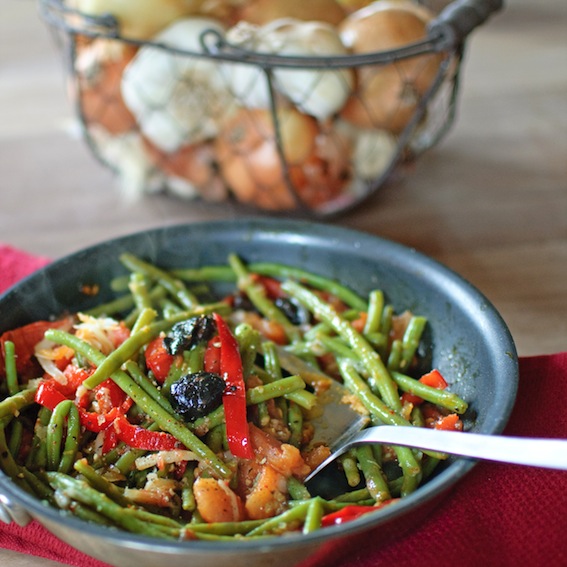
Italian-style green beans and lace-chewing mini goats
Castaño, our most misbehaved horse, still attends the School for Exceedingly Naughty Horses a couple of times a week and Léo has taken to accompanying us. I’m not sure whether he comes because he’s looking for general naughtiness tips, or whether he’s fallen for the stable’s miniature goat. I suspect it’s the latter; my family and I have an immoderate fascination for mischievous animals and this little she-goat fits the bill very nicely. They spend an hour climbing trees, inspecting muddy ditches, making the horses spook and charging each other with imaginary horns. She invariably takes pleasure in undoing Léo’s shoe laces with her teeth and chewing them to bits. Is ‘chewing the lace’ a goat variation on ‘chewing the cud’ I wasn’t aware of? Anyway, as I appear to lack the foresight to buy several replacement pairs at once, I’ve spent much of the past month on a quest for flourescent green laces. Never let it be said that I don’t live life on the edge.
This dish makes a wonderful accompaniment to fish or meat, or it may be served as a light lunch or supper with a poached egg on top.
Ingredients (serves 6)
1kg green beans
1 tablespoon olive oil
1 onion, peeled and chopped
1 red pepper, sliced
1 tomato, chopped
2 cloves of garlic, finely chopped
handful of pine nuts
12 black olives
6 anchovies
Sea salt and freshly-ground black pepper
1 teaspoon paprika, piment d’Espelette or chilli powder
10g Parmesan cheese, grated (optional)
Precook the beans until ‘al dente’, strain and set aside. Gently heat the olive oil in a large frying pan adding the onions and cooking for a few minutes. Add the sliced red pepper, tomato and garlic and continue to cook until the red pepper and tomato soften. Add the green beans, pine nuts, olives, anchovies and seasoning, gently combining and cook for a few more minutes. -
Flourless chocolate cake (gf) and slovenly asset management

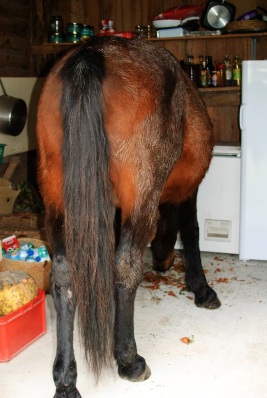
Based on my current posts, anyone would think that we currently existed solely on a diet of chocolate cake. Last week I scored a significant hit of carrots and beets from our neighbour, Yvette. Unfortunately the carrots disappeared within the hour; our asset management leaves a lot to be desired at the moment. Yesterday my husband drove off with his wallet and ID card on the roof of the car (both were later found in the track a kilometre from the house) and I had my Visa card confiscated by a very uppity machine (don’t let’s go there). Back to the disappearing carrots: Texas, the equine retiree with a highly inflated sense of entitlement, broke into the storage grange and scoffed the whole ‘hit’! To my further shame, he also chewed Yvette’s straw basket to bits. Anyway, he was about to move on to the beetroot when I discovered him. Luckily the beets were recovered, almost slobber-free, and I was able to whip up this cake.
Beetroot has plenty of health benefits: It lowers blood pressure, boosts stamina, fights inflammation, supports detoxification and helps prevent cancer. It is also fibre-rich and a very rich source of vitamin C, folic acid, potassium and manganese.
This is another adaptation from Amber Rose’s wonderful book ‘Love, Bake, Nourish’.
Ingredients (serves 8-10)
300g cooked beetroot, peeled and puréed.
4 large free-range eggs, beaten
4 tablespoons honey
1 teaspoon vanilla extract
1 tablespoon organic cocoa powder
1 teaspoon baking powder
1 pinch of salt
125g ground almonds
125g min. 70% cocoa solids chocolate
1 teaspoon of rum (optional)
4 tablespoons olive oil
Preheat the oven to 180°C and grease and prepare a 22cm cake tin. Mix the beetroot, eggs, honey, vanilla extract, cocoa powder, baking powder and salt, beating well. Once the ingredients are well combined, fold in the ground almonds. Melt the chocolate in the rum over a low heat and add the oil. Stir the chocolate and oil into the existing mixture, combining well. Transfer to the cake tin and bake for 35 minutes, or until a fork inserted into the centre comes out clean. Leave to cool before serving, lightly dusted with cocoa powder. -
Chocolate and vanilla marble cake and the perils of laying at altitude

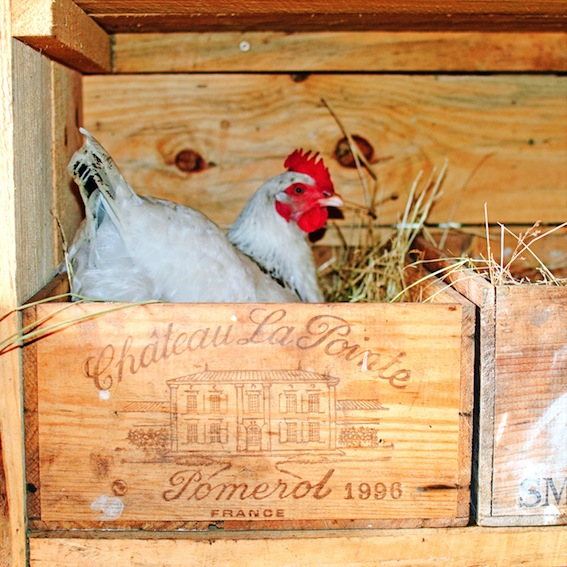
Our hens lay their eggs in hay-filled wooden boxes on shelves in my husband’suntidy toolshedworkshop. Naturally, they don’t lay in any old boxes; these are exceedingly posh vintage wine boxes. Three of our more intrepid hens are into extreme sports and like to lay altitude eggs on the higher shelves, while the more cowardly lay at ground level. Yesterday afternoon we heard an unusual and hysterically distressed screeching noise coming from the workshop, very different from the customary ‘get out of my face bitch or I’ll do you over’ squawking. Upon investigation, it appeared that two of the intrepids had been trying to lay in the same high altitude box at the same time and had ended up in a heap on the ground, imprisioned in the box that had landed on top of them. Luckily both they and their eggs were intact or I suspect we’d have been eating coq au vin omelette for dinner. 😉
Ingredients
250g spelt flour
2 teaspoons baking powder
1 teaspoon bicarbonate of soda
3 tablespoons unsweetened cocoa powder
125g butter
125g extra virgin organic coconut oil
100g honey
100g cane sugar
5 medium eggs
1 teaspoon vanilla extract
Preheat the oven to 160°C. Sift the flour, baking powder and bicarbonate of soda together. Divide the mixture in two and add the cocoa powder to one half, combining well. Set aside. Cut the butter and coconut oil into cubes and leave to soften at room temperature. Beat the butter and coconut oil with an electric mixer for about ten minutes until fluffy and then gradually add the sugar and honey, continuing to beat. Add the eggs, one at a time and whisk for another few minutes. Add and combine the vanilla extract. Half the mixture and gently fold in the plain flour mixture to one half and the cocoa powder and flour mixture to the other. Transfer the mixtures to a buttered loaf tin, alternating one spoon of plain mixture, one spoon of cocoa mixture. Bake for 80 minutes, or until a skewer comes out clean. Leave to cool on a wire rack.

-
Double chocolate and spicy pear muffins and equine sleepovers
Two of our horses went for a sleepover last night. Castaño, our youngest horse, goes for private tuition every Monday at a nearby School for Extraordinarily Naughty Horses. The school is very recent; I’m convinced its creation was motivated by the mass of potential clients amongst our wayward equines. We received a phone call from Castaño’s teacher at 11pm, asking whether we had lost anything. After establishing that, unfortunately for me, she hadn’t found my sunglasses, she said that she did have our two bay horses. It was decided they stay overnight, which thankfully avoided us a precarious and muddy moonlit traipse. When I went to fetch them this morning, it occurred to me that maybe Castaño had been trying to win brownie points by turning up early for his weekly lesson and had taken Texas, the wise 30-year-old, to show him the place where he was learning to become A Better Horse. I think we can safely say this particular project is still very much ‘work in progress’…


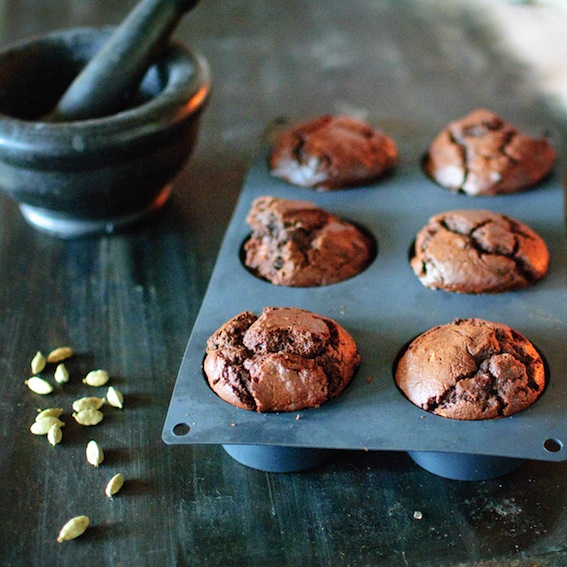
These muffins are a really rich double chocolate treat. Just in case you’re looking for an excuse to make them, both cardamon and dark chocolate increase serotonin levels in the brain. Amongst other things, serotonin helps ward off depression. And who doesn’t need a serotonin boost towards the end of the winter?
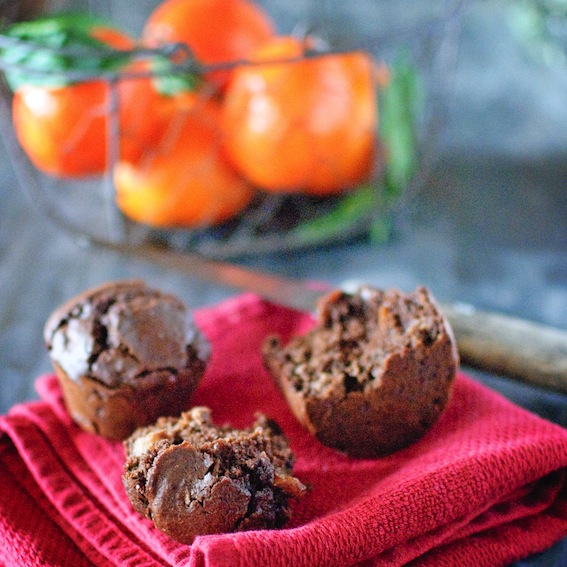
Ingredients (makes 12)
275g spelt flour
50g pure cacao powder (no added sugar)
2 teaspoons baking powder
1 teaspoon bicarbonate of soda
1 teaspoon cardamon
½ teaspoon ginger, freshly grated
3 eggs
250ml coconut milk
4 tablespoons honey
1 pear, peeled and chopped into small cubes
150g organic virgin coconut oil, melted
100g 70% dark chocolate, melted
Preheat the oven to 180°C. Prepare and grease two muffin tins with butter or coconut oil. Sift the flour, cocoa powder, baking powder, bicarbonate of soda, cardamon and ginger into a large mixing bowl and set aside. In a separate bowl, beat the eggs and then add the coconut milk, honey, pear, melted coconut oil and chocolate, stirring constantly. Combine the two mixtures well. Fill the muffin tins and bake for about 18 minutes.
Absolutely delicious served hot or cold! -
Cheese soufflé and tyrannical toasters
We seem to have inadvertently acquired a toaster with attitude. Big Attitude. To the extent that everyone, including Hugo, is in awe. It’s a mini dictator sitting in the middle of the kitchen snarling at anybody that dares approach. Worst of all though is its incontinence: It spurts and ejects things at random over the floor and countertop, even into the sink. On a bad day, you could be forgiven for imagining that it’s aiming straight at you. And from one day to the next, you don’t know if you’re going to be eating charcoal or still-frozen bread. I make sure to unplug it at night and, if it’s been particularly temperamental, lock the kitchen door because you just can’t be too careful.
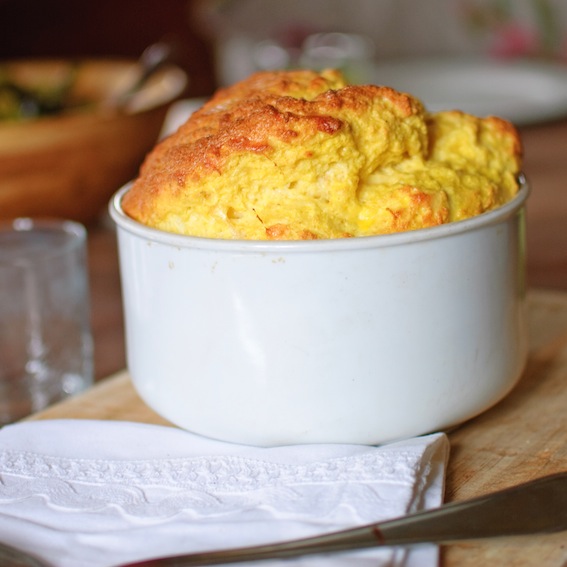
I had never made soufflé before and had always imagined it would be a bit hit-and-miss, especially miss. Believe me though, soufflé has nothing on the toaster. In fact, it’s quick and easy to make as long as you stick to three main criteria: make sure the egg whites are properly whisked, use really good quality hard cheese — I used a combination of Parmesan and Comté — and choose timely, obedient guests (I was less successful in this respect and there was much shrill yelling). Soufflés do not take well to waiting around and collapse into an unattractive heap if not consumed immediately, a bit like the cook really.
This is based on a Delia Smith recipe.
Ingredients (serves 4)
3 large eggs, separated
75g grated hard cheese (I used a mixture of Parmesan and Comté)
150ml milk
25g butter
25g spelt flour (ordinary flour would be fine)
½ teaspoon paprika
½ teaspoon nutmeg
½ teaspoon mustard
sea salt and freshly ground black pepper
Preheat the oven to 190°C. Grease and prepare an 850ml soufflé dish. Place the milk, butter and flour in a saucepan over a medium heat and whisk until blended and thickened. Continue to cook over a low heat, still stirring, for a further couple of minutes. Add the mustard and seasoning and then leave the sauce to cool a little before stirring in the grated cheese. Beat the egg yolks and add them to the mixture. Next whisk the egg whites until stiff, then fold gently into the cheese sauce mixture, taking care to keep the structure of the whisked whites intact. Transfer to the prepared soufflé dish and place in the centre of the oven. Cook for 30-35 minutes. The centre should be cooked (i.e. not liquid) without being dry.
To be served with a crisp green salad and a gracious smile. 🙂 -
Thank you honey !

 2014 is the year of the bee as far as I’m concerned (thank you to Léo for the drawing). I’ve just finished reading a book that has convinced me that the value of honey goes far beyond those mentioned in my previous honey post. The book is called The Honey Diet and is written by a Scottish chemist, Mike McInnes. It is touted as a diet book, which I think rather belittling. This is really is so much more. Not only does it contain fascinating information, it is also groundbreaking, agenda-free science combined with good common sense.
Mike McInnes describes in detail the benefits of eating raw honey and clearly explains the way the body metabolises it, which is very different from the way other sugars are metabolised. Honey has a perfect fructose/glucose balance, easily assimilated by the liver where it is then used as a necessary and convenient source of fuel. This easy assimilation also means that honey does not cause damaging insulin spikes.
To put it another way, when you eat a spoonful of honey your body says: ‘Excellent! This is high-quality fuel that I can put to good use so I’ll start using it straight away.’ When you consume a spoonful of sugar or other refined sweeteners it says: ‘What on earth is this and what am I supposed to do with it? I have absolutely no idea so I’ll stock it away as fat until I’ve figured something out’.
Taking a spoonful of honey before bed ensures deeper and more restorative sleep as it effectively feeds the liver overnight, allowing it to carry out the numerous tasks it undertakes while the body is asleep. Like most things, the body can’t operate without effective fuel, which means that having to deal with an unwelcome diet of artificial foods prevents it from being able to carry out even the most basic maintenance work. Properly fuelled up, the body will burn more calories overnight than would be burned during a 10km run and it will do this without having to send ‘help! I need more fuel’ distress signals, which invariably prevent you from sleeping properly.
If you look into the intelligent and efficient way that bees operate, it’s hardly surprising that they create such perfect nourishment. They are the earth’s hardest working creatures and models of efficiency and cooperation.

They have developed a complex communication system to impart information to other bees regarding sources of nectar. They do a little dance to indicate the direction in which the food source may be found in relation to the position of the sun. The amount of waggling involved in their dance indicates the distance of the food from the hive and then a wing-fanning display gives information as to the richness of the source.
Bees give a whole new meaning to multi-tasking! -
French custard tart (Far Breton) and discombobulated headmasters

Yesterday afternoon, equipped with wetsuit and flippers (I won’t harp on about the weather — let’s just say that we’re in no imminent danger of drought), I sailed through white water torrents to fetch Léo. Upon arrival in front of the school, the car, possibly rebelling at being mistaken for a catamaran, spluttered and died. I had to comandeer several classmates and their mothers to help move the catamaran/car out of the way, the aim being that we would push while Léo steered to a less hazardous spot. So much for my theory; what actually happened is that he somehow managed to jump start the wretched thing, leaving us ‘pushers’ face-down in a puddle, our arms stretched out in front of us. I thought it probably best to avoid convoluted explanations with the headmaster who was looking, quite frankly, more than a little bewildered by the sight of one of his eleven-year-old pupils driving around the school car park with his squealing, hand-flapping, mud-speckled mother in wet pursuit…

This ‘Breton Far’ originated in Brittany in the 18th century, when it was served as a savoury accompaniment made with buckwheat flour. Today it has become a traditional dessert and is often filled with dried fruit such as raisins or prunes. The sweet version is usually now made with plain flour and white sugar, but I have made my own version, which is just as good, if not better and certainly far healthier. The combination of whole flours, eggs and honey makes for a low GI dessert.
If you replace sugar with honey in a recipe you should halve the quantity as honey has double the sweetening power. Because honey is metabolised differently from sugar in the body and, as such, does not cause insulin spikes, it can be enjoyed in moderation without any of the downsides of other sweeteners and all of the upsides of eating honey. You should also slightly lower the cooking temperature when cooking with honey as it ‘browns’ more quickly than sugar.
Ingredients (serves 6-8)
60g buckwheat flour
60g whole spelt flour
4 free-range eggs, beaten
65g honey
1 teaspoon vanilla extract
2 tablespoons rum (optional)
500ml organic milk
120g dried, stoned prunes
Grease a rectangular oven-proof dish (roughly 22cm) and preheat the oven to 180°C. Pour the eggs, honey, vanilla, rum and flours into a large mixing bowl and beat well for about five minutes. Add the milk and beat for a a few minutes more. Garnish the bottom of the dish with the prunes and then pour in the mixture. Bake for about 40 minutes, or until the mixture is no longer runny (or squelchy!). You may have to pierce the ‘skin’ after about 30 minutes. Best served chilled.
-
Spicy coral lentil soup and a baguette of dubious provenance


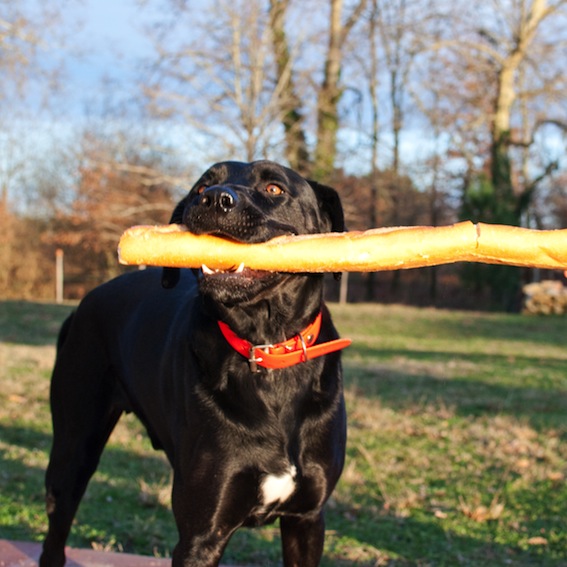
I have been trying to convince myself that when Hugo helped himself to a baguette off the kitchen counter of the friends we were visiting last Sunday, it was his contribution towards dinner; a welcome accompaniment for the soup I’d made. And then I pulled my head out of the sand, removed my rose-tinted glasses and woke up and smelt the coffee: with no end of previous convictions to his name (including the time he stole no fewer than eight baguettes from a friend’s car), he’s nothing but a pathologically incorrigible food pilferer and I couldn’t be more embarrassed.
Ingredients (serves 6-8)
2 tablespoons of olive oil
1 large onion, sliced
2 leeks, washed and sliced
3 cloves of garlic
2 red peppers
2 carrots, peeled and sliced
2 teaspoons’ freshly grated ginger
1 teaspoon paprika (or piment d’Espelette)
sea salt and freshly ground black pepper
250g coral lentils
1.5 litres organic vegetable stock
Gently fry the onions, leeks and garlic in olive oil for a few minutes. Once golden brown, add the peppers, carrots, ginger and seasoning. Then add the lentils and pour the stock over the top. Simmer for 30 minutes and then purée. Serve with crispy baguette, if at all possible free of doggie dribble. -
Spice bread and watching a white hen unravel
Have you ever seen a hen unravel? I hadn’t, but I have now. A friend (I use the term loosely in hindsight) gave us four hens last week. When I say hens, obviously I mean butch, feathered, street-wise ladettes hell-bent on stealing the others’ food, staying up all night and generally causing mayhen (sorry!). Our white ‘head’ hen was not amused by their arrival and ‘greeted’ them with firmly-closed wings. As soon as she caught sight of them, she strutted purposefully over to the kitchen, squawking loudly until I opened the window. When I explained that it was OK, they had been invited, she wandered off for a mad, muttering walk on her own in the woods, head between wings. Even now, a week later, she comes to check with me everyday that these ruffians are still welcome and spends more time than usual on her perch, disdainfully looking down at them.

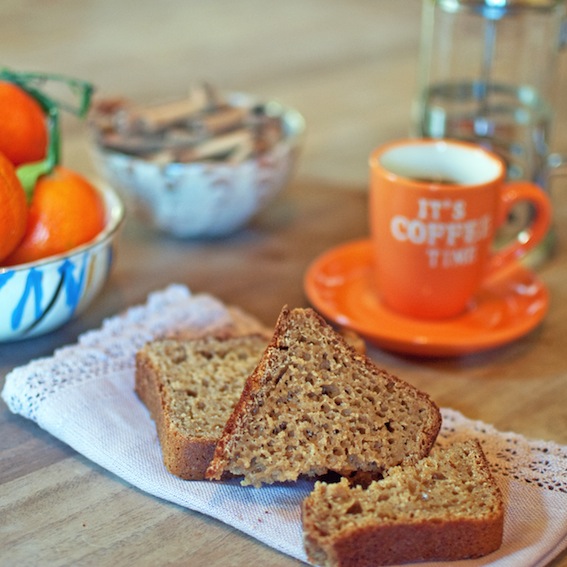
This spice bread is deliciously soothing, which is useful when you’re trying to console a hen with a grievance.
Ingredients
500g raw honey
250g spelt flour
2 teaspoons active dry yeast
½ teaspoon cinnamon
½ teaspoon ginger
½ teaspoon nutmeg
½ teaspoon coriander
½ teaspoon cardammon seeds
Zest of 1 lemon
2 free-range eggs, beaten
100ml milk
Preheat the oven to 220°C. Dissolve the yeast in two tablespoons of lukewarm water and set aside. Gently warm the honey, spices and zest until very runny (about 3 minutes). Place the flour in a mixing bowl, leaving a well in the middle. Add the yeast and then the beaten eggs and milk to the well, followed by the honey and spice mixture. Beat until you obtain a smooth, liquid dough. Transfer to a 1kg greased loaf tin and cook for 1 hour 15 mins. Cover the tin with aluminium foil once it is golden brown. It is best to leave the bread in a tin to rest at room temperature for at least three days before eating. -
Sausage casserole and confusing coat conundrums

I have a new ski jacket. While I’m sure you’re over the moon for me, I admit that this is hardly groundbreaking news. It is, however, very confusing for Hugo. For him, the precursors to ‘walkies’ are: my digging around for an embarrassingly long time in a futile attempt to locate my mobile ‘phone, resorting to ringing it (of course it rings in my my pocket), locating vaguely matching left and right shoes and then, in Winter, putting on The Walking Jacket. My new jacket occasions a perplexed ‘head-tilt to one side’ look of utter bemusement, accompanied by a woefully despondent ‘maybe we’re not going for a walk after all’ sigh. He’d better get used to it though — with my matching left and right shoes and new jacket, there’s no stopping me; I’ve become a bit of a fashionista and may even upgrade again next year! 😉
There’s something in this sausage casserole for everyone: high-maintenance fashionistas, fussy children, finicky dogs and hens… It is adapted from a Tana Ramsay ‘Family Kitchen’ recipe.
Ingredients (serves 6)
2 tablespoons of olive oil
1 large onion, peeled and sliced
2 cloves of garlic
6 mushrooms, peeled and sliced
6 Toulouse sausages
60g pancetta, sliced
1 leek, rinced and sliced
Sea salt and freshly ground black pepper
1 tablespoon paprika
2 teaspoons Worcester sauce
1 litre chicken or vegetable stock
6 carrots, peeled and cut into 3cm pieces
6 small potatoes, peeled
200g, cannelloni beans, pre-cooked and drained
½ green cabbage, shredded
Gently heat the olive oil in a large casserole dish (Dutch oven), adding the sausages, onions mushrooms and garlic and fry until golden brown. Add the pancetta and leeks, continuing to brown. Then add the seasoning and stock, followed by the carrots, cabbage, potatoes and beans and bring to a boil. Leave to simmer for about 40 minutes. May be served alone or with bread, couscous, quinoa or basmati rice.